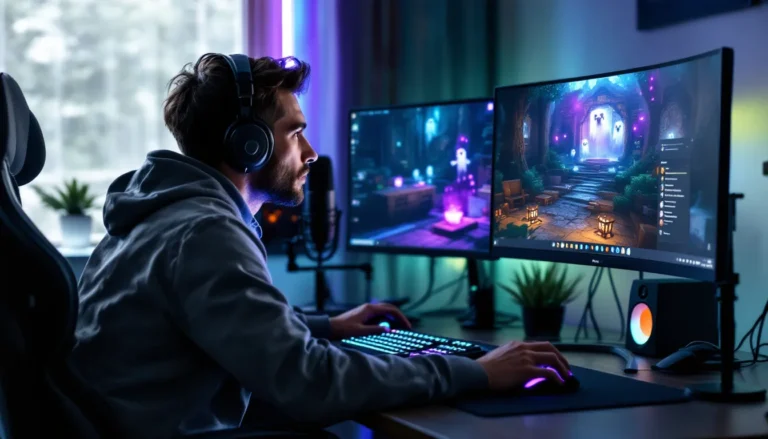
In the fast-paced world of gaming, the term “FPS” isn’t just a fancy acronym; it’s the heartbeat of every epic showdown. Whether it’s dodging bullets in a virtual battlefield or executing that perfect headshot, knowing what constitutes a good FPS can make or break the experience. Spoiler alert: it’s not just about how many frames flash across the screen in a second; it’s about how smoothly the action unfolds and how it keeps gamers on the edge of their seats.
Understanding FPS
FPS, or frames per second, serves as a critical indicator of a game’s performance and visual smoothness. A good FPS enhances player experience by providing fluid motion, which is particularly important during fast-paced sequences. For most gamers, aiming for 60 FPS or higher is a common benchmark. Achieving this target leads to more responsive gameplay and a more immersive atmosphere.
Frame rate affects the visual quality of games. Lower FPS creates choppy visuals, which can distract from gameplay. Many players prefer a higher frame rate during competitive scenarios, where split-second decisions can mean the difference between victory and defeat. Games that fluctuate between high and low FPS can hinder performance, leading to frustration.
Console and PC gaming differ in FPS capabilities. Consoles often target 30 FPS in many titles, while PCs can exceed 144 FPS with the right hardware. Graphics settings also influence FPS; higher settings demand more from hardware, potentially leading to decreased frame rates.
Frame rate optimization matters for both casual and serious gamers. Techniques such as reducing resolution or adjusting graphics settings can significantly improve FPS. Monitoring tools are available to track frame rates, providing valuable insights for gamers looking to enhance their experiences.
Targeting a good FPS involves considering various factors, including hardware, game type, and personal preference. Players seeking performance improvements should explore options tailored to their gaming style. The ultimate goal remains the same: a smooth, seamless play experience enhances immersion and enjoyment.
Importance of FPS in Gaming

FPS plays a significant role in determining the overall gaming experience. A higher FPS improves visual fluidity and enhances player engagement during critical moments.
Impact on Gameplay
Higher FPS contributes directly to smoother movement and responsive controls. Players experience less lag and reduced input delay, allowing for precise aiming and smoother navigation. Improper frame rates can disrupt the flow of action, making it harder to react during tense encounters. With a target of 60 FPS at a minimum, games become visually appealing and enjoyable. Players find that high FPS creates a more immersive atmosphere, where every detail enhances the overall experience.
Competitive Advantage
In competitive gaming, FPS influences performance outcomes. Gamers benefit from increased frame rates, as this allows for real-time responses and quick reflexes. Tournaments often see players utilizing systems capable of exceeding 144 FPS to maintain an edge. Lower FPS levels can hinder one’s ability to track fast-moving opponents. Players often prefer setups that ensure consistent high frame rates, providing a critical advantage during competitive matches. Prioritizing optimal FPS configurations not only enhances gameplay but can also determine success in high-stakes environments.
Factors Influencing FPS
Several factors affect the FPS in gaming. Understanding these elements helps gamers optimize their experiences.
Hardware Specifications
Powerful hardware plays a crucial role in achieving high FPS. A high-end graphics card enhances rendering capabilities, allowing for quicker frame processing. Fast CPUs improve overall game performance by efficiently handling calculations. Adequate RAM is necessary for running demanding games smoothly, with 16 GB being a common standard. Additionally, using SSDs instead of HDDs reduces load times, contributing to increased frame rates. Overall, investing in quality components ensures players enjoy smoother and more immersive gameplay.
Software Optimization
Software settings directly influence FPS outcomes. Lowering graphics settings can significantly boost frame rates, especially in resource-intensive games. Adjusting resolution settings also helps maintain performance while balancing visual quality. Keeping drivers updated ensures compatibility and leverages optimization improvements from manufacturers. Utilizing game-specific performance modes and monitoring tools allows players to identify bottlenecks. Prioritizing software refinements ultimately enhances the gaming experience by maximizing FPS and minimizing lag.
What is Good FPS?
Good FPS, or frames per second, represents a key element in the gaming experience, impacting both performance and enjoyment. Players often find that the smoother the frame rate, the more immersive their gameplay becomes.
Ideal FPS for Different Games
Ideal FPS varies based on game genre and gameplay style. For fast-paced action games, 60 FPS or higher is optimal to ensure responsive controls and smooth visuals. On the other hand, slower-paced games, such as strategy or turn-based titles, can function well at around 30 FPS. Competitive gamers typically aim for frame rates above 144 FPS, providing that crucial edge in reflex and timing. When gamers engage in first-person shooters, aiming for at least 60 FPS enhances precision during fast movements and rapid firing. Therefore, understanding these benchmarks aids gamers in selecting games and hardware tailored to their preferences.
Personal Preferences and Tolerance
Personal tolerance for FPS can differ greatly among players. Some individuals may notice the difference between 30 and 60 FPS, while others find 60 FPS sufficient for their enjoyment. Moreover, high-refresh-rate monitors that support up to 240 FPS can enhance gameplay further for those sensitive to frame rate fluctuations. Preferences often depend on the type of games played; casual players might prioritize story and graphics over frame rates. Competitive gamers, however, prioritize high FPS for smooth performance and quicker reaction times. As a result, each player’s unique sensitivity to FPS contributes significantly to their gaming experience.
Conclusion
Understanding what constitutes good FPS is essential for any gamer looking to enhance their experience. The right frame rate can transform gameplay from a frustrating endeavor into an immersive adventure. Players should consider their personal preferences and the types of games they enjoy when determining their ideal FPS.
Investing in quality hardware and optimizing settings can significantly improve frame rates. Whether gaming on a console or a high-performance PC, achieving a smooth and responsive experience is vital. Ultimately, the pursuit of optimal FPS is about finding the balance that best suits individual gaming styles and preferences.