
When it comes to rimfire cartridges, the .22 Long Rifle (LR) is like the Swiss Army knife of ammunition—versatile, reliable, and surprisingly fun. Whether you’re plinking at the range or teaching a newbie the ropes, understanding the FPS (feet per second) of .22LR can make all the difference. It’s not just about the numbers; it’s about knowing how speed affects accuracy and performance.
Overview of 22LR FPS
Understanding the FPS of .22LR ammunition is crucial for shooters. Typically, .22LR rounds achieve velocities ranging from 1,000 to 1,300 feet per second. A round’s speed directly influences its trajectory and stability. For example, high-velocity rounds tend to provide flatter trajectories, making them more accurate over longer distances.
Several brands produce .22LR ammunition with varying FPS ratings. CCI Mini-Mag, for instance, boasts an FPS of approximately 1,200, while Remington Thunderbolt rounds operate around 1,200 FPS as well. Speer Gold Dot may reach up to 1,024 FPS. Shooters often choose rounds based on the desired performance and intended application, such as target shooting or small game hunting.
Factors such as barrel length and environmental conditions also affect FPS. Longer barrels can increase velocity, enhancing bullet stability. In addition, weather elements, including humidity and temperature, can impact performance.
Many shooters prefer testing different brands to identify the most suitable ammunition for their needs. Understanding FPS contributes to making informed decisions, significantly impacting overall shooting experience. Ballistics tables assist in evaluating the performance characteristics of various .22LR loads.
Optimizing FPS leads to better accuracy and consistency during shooting sessions. Using the right ammunition enhances enjoyment, particularly for beginners learning the fundamentals of marksmanship. Prioritizing FPS awareness fosters improved shooting proficiency and knowledge across different shooting activities.
Factors Influencing 22LR FPS
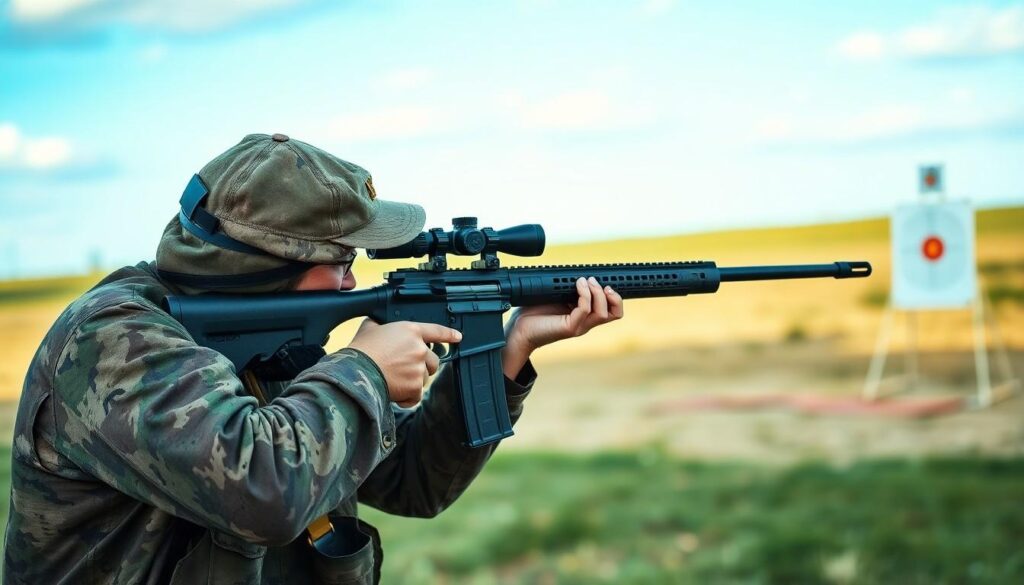
Several factors significantly influence the FPS of .22LR ammunition. Understanding these elements allows shooters to select the best ammunition for their specific needs.
Barrel Length
Barrel length plays a crucial role in determining the velocity of .22LR rounds. Longer barrels generally produce higher FPS due to the extended time the bullet spends in the barrel during firing. This additional time allows the expanding gases to exert more force on the bullet, resulting in increased speed. Shooters may find that rifles with barrels around 16 to 20 inches often yield higher velocities than standard pistol lengths. Conversely, shorter barrels might restrict the bullet’s potential speed, adversely affecting accuracy at greater distances.
Bullet Weight
Bullet weight directly impacts FPS as well. Heavier bullets experience greater resistance, which can lead to lower velocities compared to lighter ones. Typical .22LR bullets weigh between 30 and 40 grains. Lighter bullets, around 32 grains, tend to achieve higher FPS, often exceeding 1,200 feet per second. Meanwhile, heavier options, such as 40-grain bullets, usually exhibit slightly reduced speeds. Shooters may need to experiment with different weights to find the best performance in various shooting conditions.
Comparing 22LR FPS with Other Calibers
Comparing the .22LR FPS with other calibers reveals distinct performance differences. The .22LR typically falls between 1,000 to 1,300 FPS, influencing its suitability for various applications. In contrast, the 9mm caliber commonly exhibits speeds around 1,100 to 1,300 FPS, making it a favored choice for self-defense and competitive shooting.
The .40 S&W caliber usually clocks in at approximately 1,000 to 1,200 FPS. This moderate velocity supports law enforcement and personal defense scenarios. Seasons and environmental factors slighted affect these speeds, creating variability across shooting experiences.
When examining the .223 Remington, it stands out with velocities often exceeding 3,000 FPS. This caliber’s speed lends itself to successful long-range engagements and varmint control. Recognizing these differences helps shooters select the best caliber according to their specific needs, whether for plinking, competition, or self-defense.
Factors such as bullet weight play a significant role in FPS comparisons across calibers. Heavier bullets generally produce lower FPS while lighter bullets achieve higher velocities. For example, a .22LR bullet weighing 32 grains might travel faster than a 40-grain variant.
Understanding the speed of various calibers allows shooters to make informed decisions. By testing different brands and loads, individuals can find the optimal ammunition tailored to their shooting style and ensure consistency in performance. Selecting the right caliber for intended use ultimately enhances safety, accuracy, and overall enjoyment.
Impact of 22LR FPS on Shooting Performance
FPS of .22LR ammunition significantly influences shooting performance. Understanding the specific FPS range helps shooters evaluate their choices. Typical FPS for .22LR rounds falls between 1,000 and 1,300 feet per second. Increased speed generally enhances trajectory and stability.
Barrel length plays a crucial role in achieving higher FPS. Longer barrels create more time for the bullet to accelerate, resulting in greater velocities. In contrast, shorter barrels often create lower speeds, limiting accuracy over long distances. Selecting the right barrel length can optimize performance.
Bullet weight also impacts FPS. Light bullets, usually around 32 grains, tend to reach higher speeds compared to heavier counterparts at 40 grains. Shooters should consider experimenting with different bullet weights to determine which performs best in various scenarios.
Environmental conditions can further affect FPS and, consequently, shooting accuracy. Temperature, humidity, and altitude may cause fluctuations in velocity. Recognizing these factors helps shooters adjust their techniques and expectations.
Specific brands, such as CCI Mini-Mag and Remington Thunderbolt, offer varying FPS ratings within the .22LR spectrum. Evaluating these options allows shooters to make informed decisions based on personal preferences and shooting styles.
Comparing .22LR FPS to other calibers reveals distinct performance characteristics. The .22LR generally maintains a lower FPS than higher calibers like 9mm or .223 Remington. Yet, its manageable recoil and affordability make it an attractive choice for beginners and experienced shooters alike. Understanding FPS not only improves accuracy but also enhances the overall shooting experience.
Best 22LR Ammunition Options Based on FPS
Finding the best .22LR ammunition options involves considering the FPS ratings of different brands. The CCI Mini-Mag, with an average speed of 1,200 FPS, delivers impressive performance for plinking and training. Its reliable ignition and accuracy make it a favorite among many shooters.
Remington Thunderbolt stands at about 1,200 FPS as well. Known for its affordability, this ammunition offers great value while maintaining dependable performance for casual shooting. Shooters often prefer it for practice sessions.
Federal AutoMatch provides a slightly lower FPS, around 1,100. However, its consistent accuracy appeals to those looking to enhance their marksmanship skills. Many consider this option ideal for longer sessions at the range.
Winchester Super-X is another contender, typically clocking in at 1,200 FPS. This ammunition combines reliability and stopping power for various shooting disciplines, making it versatile for different needs.
Aguila Super Extra rounds deliver approximately 1,200 FPS as well. With its high velocity and accuracy, this ammunition provides an excellent choice for both target shooting and pest control.
Testing different brands leads to better insights into performance characteristics. Assessing how barrel length affects FPS helps shooters understand optimal choices for their specific setup. Additionally, environmental factors play a role; temperature and humidity can impact speeds and overall effectiveness.
Understanding these key parameters enables shooters to select ammunition that aligns with their performance goals. By prioritizing FPS alongside other factors, shooters can enhance accuracy and experience enjoyment in their shooting endeavors.
Conclusion
Understanding .22LR FPS is essential for anyone looking to improve their shooting experience. By recognizing how speed influences accuracy and performance, shooters can make informed choices about their ammunition. Experimenting with different brands and bullet weights allows for a tailored approach to individual shooting styles.
The impact of barrel length and environmental conditions cannot be overlooked either. These factors play a significant role in achieving optimal FPS, which in turn enhances shooting consistency. With the right knowledge and practice, shooters can maximize their enjoyment and proficiency with the .22 Long Rifle cartridge.