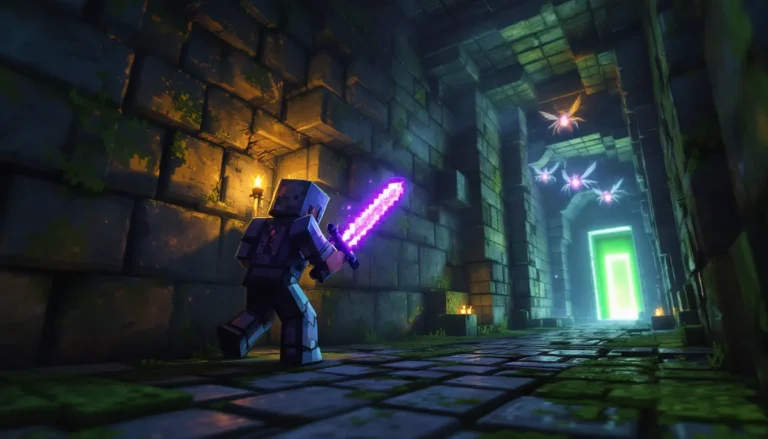
Lush caves transformed Minecraft’s underground from monotonous stone corridors into something genuinely beautiful. These verdant sanctuaries, packed with glowing berries, unique flora, and the adorable axolotl, arrived with the Caves & Cliffs update and haven’t stopped being relevant since. Whether you’re hunting for renewable moss, setting up an axolotl sanctuary, or just need a killer spot for an underground base, lush caves deliver.
This guide covers everything: exact spawning mechanics, resource lists, mob behavior, farming setups, and build inspiration. No filler, just the data and strategies you need to make the most of this biome in 2026.
Table of Contents
ToggleKey Takeaways
- Lush caves in Minecraft are rare underground biomes filled with moss, glowing vines, and axolotls, generating exclusively below the surface with unique renewable resources unavailable in other biomes.
- Locate lush caves by finding azalea trees on the surface and digging straight down through rooted dirt blocks, or use the /locatebiome command and seed-based mapping tools for precise coordinates.
- Lush caves provide infinitely renewable resources through moss farming (using bone meal spread mechanics), glow berry production from hanging vines, and clay pools that support aquatic life and building materials.
- Axolotls spawn only in complete darkness on clay blocks beneath Y-level 0 and can be bred with tropical fish to create sustainable populations of rare blue variants for breeding stations.
- Design underground bases within lush caves by integrating natural moss walls, glow berry ceiling lighting, and big dripleaf parkour mechanics while preserving aesthetic blocks like spore blossoms for atmospheric builds.
- Java and Bedrock Edition lush caves use identical generation algorithms since version 1.18, though Java offers the /locatebiome command while Bedrock relies on third-party tools for biome discovery.
What Are Lush Caves in Minecraft?
Lush caves are a rare underground biome characterized by dense vegetation, water features, and a distinctly different atmosphere from standard cave systems. They’re essentially nature’s reclamation project beneath the surface, moss-covered floors, hanging vines, and pastel-colored flora that create an almost alien aesthetic compared to the gray stone monotony of typical caves.
Unlike most biomes, lush caves don’t have a surface counterpart. They exist exclusively underground, usually nestled within larger cave networks. You won’t stumble into one from a desert or plains biome above, they generate independently below, often at varying Y-levels.
Unique Features and Visual Characteristics
Moss coverage dominates the landscape. Moss blocks carpet the floor and climb walls, with moss carpets scattered throughout for texture variation. Cave vines dangle from ceilings, many bearing glow berries that provide ambient lighting without torches, a massive win for atmospheric builds.
Spore blossoms hang from cave ceilings, releasing particle effects that drift downward. They can’t be farmed or multiplied, making them a finite decorative resource per cave. Clay pools replace some of the typical stone flooring, providing renewable clay deposits.
Azalea bushes and flowering azalea variants grow naturally, offering both aesthetic appeal and practical use. Dripleaf plants, both small and big variants, add vertical gameplay elements. Big dripleaf can support a player’s weight temporarily before tilting, creating natural parkour opportunities or trap mechanics.
The color palette shifts from Minecraft’s usual earth tones to vibrant greens, soft pinks, and warm oranges. The lighting from glow berries creates pockets of warm illumination against darker cave shadows.
When Lush Caves Were Added to Minecraft
Lush caves officially launched with Minecraft Java Edition 1.18 and Bedrock Edition 1.18.0 in November 2021 as part of the second half of the Caves & Cliffs update. Some elements like azalea trees and moss blocks appeared earlier in 1.17, but the complete biome generation didn’t arrive until 1.18’s world generation overhaul.
The biome has remained largely unchanged through subsequent updates, with only minor tweaks to spawn rates and generation patterns. As of early 2026, lush caves maintain their original mechanics and block composition, though community-created data packs and mods have expanded their potential.
How to Find Lush Caves
Locating lush caves requires more strategy than luck. They’re not tied to specific surface biomes, but they leave telltale markers that make hunting them down efficient once you know what to look for.
Locating Azalea Trees on the Surface
The most reliable method involves azalea trees. These unique trees, identifiable by their distinctive pink flowering leaves or standard green azalea foliage, generate on the surface directly above lush cave biomes. If you spot an azalea tree, there’s a lush cave beneath it.
Dig straight down from the azalea tree’s trunk. The root system extends downward through rooted dirt blocks, which eventually connect to the lush cave below. Depth varies, some caves sit 20 blocks down, others exceed 60 blocks depending on terrain generation.
Rooted dirt blocks mark the path. These visually distinct blocks have roots visible through them and drop regular dirt when mined. Following the rooted dirt column guarantees you’ll hit the cave rather than wandering through unrelated cave systems.
Using Coordinates and Biome Finder Tools
For Java Edition players, the /locatebiome command provides exact coordinates. Type /locatebiome minecraft:lush_caves and the game returns the nearest instance with XYZ coordinates. This works in creative mode or with cheats enabled.
Third-party tools like Chunkbase’s biome finder accept your world seed and display lush cave locations on an interactive map. Input your seed (found via /seed command), select your Minecraft version, and the tool highlights biome positions. These tools work for both exploring vast underground networks and planning surface infrastructure around cave locations.
Bedrock Edition handles biome finding differently due to platform limitations, but seed-based mapping tools still function accurately.
Best Seed Coordinates for Lush Caves
Several community-verified seeds spawn players near or directly above lush caves:
Seed: -1058557249 (Java 1.20+)
Spawn coordinates: Azalea tree at X: 56, Z: 120. Lush cave at Y: 32.
Seed: 8486672581758651406 (Java 1.19-1.20)
Massive lush cave system at X: -200, Y: 12, Z: 150 with multiple connected chambers.
Seed: 2817399688536292816 (Bedrock 1.20+)
Azalea tree at spawn with lush cave at Y: 45, connecting to mineshaft.
Seed: -565738382 (Java 1.18-1.20)
Dual lush caves within 200 blocks of spawn, ideal for mega-farms.
These seeds remain valid as of March 2026, though world generation changes in future updates could affect them. Always verify seed compatibility with your specific version.
Lush Cave Blocks and Resources
Lush caves provide exclusive blocks unavailable in other biomes, many with unique mechanics that enable creative builds and renewable farms.
Moss Blocks and Moss Carpets
Moss blocks form the foundation of lush caves, literally. They’re obtainable with any tool, but using a hoe is fastest. Applying bone meal to a moss block spreads moss to adjacent stone-type blocks, creating moss carpets, azalea bushes, and occasionally grass or flowering plants.
This bone meal mechanic makes moss infinitely renewable. Place a single moss block, surround it with stone or deepslate, apply bone meal, and watch it spread. Harvest, repeat. It’s one of the most efficient renewable block systems in Minecraft.
Moss carpets generate naturally alongside moss blocks. They function identically to regular carpets, no fall damage reduction, purely decorative, and they prevent mob spawning on the block beneath them.
Azalea Bushes and Flowering Azalea
Both azalea and flowering azalea bushes spawn naturally in lush caves and on the surface as azalea trees. When bone meal is applied to either bush, it grows into a full azalea tree (assuming adequate space and a dirt/grass block underneath).
Azalea trees drop azalea leaves, which can be composted or used decoratively. The trees themselves consist of oak logs with azalea or flowering azalea leaves, a hybrid that combines two block types in one structure.
Flowering variants add pink blooms to leaf blocks, providing color variation for builds. Neither bush type is consumed when used to grow trees, but the bush itself is replaced by the tree.
Cave Vines and Glow Berries
Cave vines hang from cave ceilings, growing downward up to 26 blocks in length. Some vines bear glow berries, which emit light level 14, enough to prevent hostile mob spawning in a small radius.
Right-clicking a glow berry vine harvests one berry and stops that vine segment from producing more until it grows again. Breaking the vine with shears or any tool drops all attached berries.
Glow berries serve as food (restoring 2 hunger points) and as a light source when placed. Players can plant them on the bottom of any block, and they’ll grow downward naturally. This makes them ideal for ceiling farms or decorative lighting that doesn’t require torches.
Dripleaf Plants: Small and Big Dripleaf
Small dripleaf is a decorative plant that grows in water or on clay. It doesn’t grow into big dripleaf naturally, it’s a separate block entirely. Bone meal applied to small dripleaf placed on clay blocks causes it to grow taller (up to 5 blocks high), but it never transforms into big dripleaf.
Big dripleaf is the functional variant. When a player or mob stands on it, the leaf remains solid for 1 second, tilts for 1 second, becomes non-solid for 1 second, then resets. This timed mechanic enables parkour challenges, mob farms, and trap designs.
Big dripleaf can be obtained by applying bone meal to small dripleaf placed on specific blocks (moss or clay), though this mechanic is finicky. Most players harvest big dripleaf directly from lush caves using shears or any tool.
Spore Blossoms and Clay Pools
Spore blossoms attach only to the underside of blocks and emit green particle effects continuously. They can’t be duplicated or farmed, each lush cave contains a limited number. Breaking one with any tool (or hand) drops the item, but there’s no renewable source.
They’re purely decorative, providing no light or gameplay function beyond aesthetics. The particle effect extends roughly 10 blocks downward, creating atmospheric ambient effects for builds.
Clay pools replace portions of lush cave floors. Clay blocks regenerate naturally in lush caves through world generation, but individual blocks don’t respawn once mined. The pools typically contain 20-60 clay blocks, making them a decent renewable clay source if you locate multiple caves.
Mobs and Wildlife in Lush Caves
Lush caves host unique passive mobs while maintaining standard hostile spawning rules for darker areas.
Axolotls: Spawning, Behavior, and Taming
Axolotls spawn exclusively in complete darkness (light level 0) on clay blocks beneath Y-level 0. In lush caves, this typically means clay pools in unlit sections. They spawn in groups of 1-4, with five color variants: pink (leucistic), brown (wild), yellow (gold), cyan, and blue. The blue variant has a 1 in 1200 spawn chance, making it exceptionally rare.
Axolotls can’t be “tamed” like wolves or cats, but they’re breedable and persistent. Feeding two axolotls tropical fish (not salmon, cod, or other fish types, only tropical fish from buckets) triggers breeding. The offspring’s color is randomly selected from either parent or has a 1 in 1200 chance of being blue.
Players can scoop axolotls into water buckets, creating a bucket of axolotl item. This allows transport without leading them. Axolotls attack most aquatic mobs (except turtles, dolphins, and other axolotls) and provide Regeneration I to nearby players when they kill a mob.
Many players incorporate breeding stations for various mobs into larger automated farm networks, and axolotls fit this model well.
They die if left on land for more than 5 minutes, though they survive briefly during rain. Keeping axolotls in water-filled enclosures is essential for long-term survival.
Glow Squids and Other Cave Creatures
While glow squids aren’t exclusive to lush caves, they spawn in any underground water source below Y=30, which often includes lush cave water pools. They drop glow ink sacs when killed, used to craft glow item frames and apply glowing effects to signs.
Glow squids don’t emit light even though their appearance, a common misconception. The mob texture glows visually, but it doesn’t affect surrounding light levels.
Hostile mobs (zombies, skeletons, creepers, spiders) spawn in unlit sections of lush caves following standard spawn rules. The moss, vines, and water don’t prevent hostile spawns, only adequate lighting does. Players exploring lush caves should treat them like any cave system: light everything or expect combat.
Bats spawn regardless of light level in lush caves, same as other cave biomes. They’re ambient mobs with no drops or gameplay function.
Farming and Renewable Resources in Lush Caves
Lush caves enable several renewable farms that provide infinite resources with minimal infrastructure.
Setting Up a Glow Berry Farm
Glow berry farms are absurdly simple. Place any solid block as a ceiling, then right-click the bottom of those blocks with glow berries. Cave vines grow downward automatically over time, eventually producing harvestable berries.
Optimal farm design uses a grid ceiling with 2-3 block gaps between vine positions. Vines grow up to 26 blocks long, so vertical space matters. Placing hoppers or collection systems beneath vines automates harvesting when berries are broken.
Bone meal accelerates growth but doesn’t guarantee berry production. Vines naturally produce berries randomly over time. The most efficient farms rely on sheer volume, dozens of vines producing berries at random intervals, collected passively.
Glow berries are stackable food sources, compostable for bone meal, and placeable light sources. A mid-sized farm (50-100 vines) provides more berries than most players need.
Creating a Moss Farm for Infinite Blocks
Moss farms exploit the bone meal spread mechanic. The simplest design:
- Place one moss block on the ground
- Surround it with stone, deepslate, or other convertible blocks
- Apply bone meal to the moss block
- Harvest the newly converted moss blocks and any azalea/grass that spawns
- Replace with stone and repeat
Automated versions use dispensers loaded with bone meal, pistons to break blocks, and hoppers to collect drops. Bone meal farms (from mob grinders or composters) feed into dispensers, creating a closed-loop system that converts stone into moss indefinitely.
Moss blocks are useful for builds requiring organic textures, composting into bone meal, or converting large stone areas quickly.
Building an Axolotl Breeding Station
Axolotl breeding requires controlled environments with specific conditions:
Water depth: Minimum 2 blocks deep
Lighting: Complete darkness (light level 0) for natural spawning, though bred axolotls don’t require darkness
Space: At least 4×4 area to prevent overcrowding
Tropical fish source: Automated fish farms or manual collection
Design a water-filled enclosure with clay floors (for aesthetic consistency). Add tropical fish to breed axolotls, then bucket-transport offspring to separate tanks. Color-sorting tanks help isolate rare blue variants.
Some players build multi-level breeding stations with water elevators connecting floors, each dedicated to a specific color variant. Hoppers can’t collect axolotls, so all transport is manual via buckets.
Breeding stations work well when combined with larger aquarium builds or underwater base designs, creating functional decoration.
Building and Design Ideas for Lush Caves
Lush caves offer unmatched aesthetic potential for underground builds, combining natural terrain with unique blocks unavailable elsewhere.
Underground Base Designs
Lush caves make excellent base locations due to inherent resource availability and visual appeal. Excavating sections creates natural rooms with living walls, moss-covered stone, hanging vines, and integrated water features that don’t feel forced.
Storage rooms benefit from moss block walls and glow berry lighting. No torches needed, just ceiling vines providing ambient light while maintaining the biome’s aesthetic.
Farms integrate seamlessly. Moss farms, glow berry setups, and axolotl breeding pools blend into the environment rather than standing out as separate structures. The natural water pools expand into fishing areas or decorative aquariums.
Entrance designs using big dripleaf create timed parkour entry systems that double as mob barriers. Dripleaf tilt mechanics prevent mobs from crossing while allowing players who understand the timing.
Many builders excavate multiple cave chambers and connect them with tunnels lined with spore blossoms, creating particle-filled hallways that feel distinct from standard mineshaft corridors. Detailed guides for building complex underground structures often feature lush caves as foundational biomes.
Decorative Uses for Lush Cave Blocks
Lush cave blocks function outside their native biome, enabling builds anywhere:
Moss blocks soften harsh stone textures in castles, ruins, or ancient temple builds. Applying bone meal adds grass tufts and azalea bushes for overgrown aesthetics.
Spore blossoms attach to ceilings in player-built structures, adding particle effects to throne rooms, enchanting areas, or alchemy labs. The downward-drifting particles create mystical ambiance.
Glow berries replace traditional lighting in organic builds. Treehouse interiors, garden pathways, and greenhouse ceilings benefit from berry vines’ warm glow without visible torch placement.
Big dripleaf works in swamp-themed builds, creating functional lily pads in custom ponds. The tilt mechanic adds interactivity, decorative bridges that require timing to cross.
Azalea trees provide mid-sized tree options between saplings and massive dark oak. The pink flowering variants add color to plains or meadow builds without importing cherry blossom biomes.
Combining Lush Caves with Other Biomes
Lush caves frequently intersect with other cave biomes, dripstone caves, deep dark, or standard cave systems. These natural transitions enable multi-biome mega-builds.
Lush-to-dripstone transitions create dramatic shifts from verdant greenery to stark stone spires. Building pathways that cross this boundary emphasizes environmental contrast.
Deep dark adjacency offers risk-reward scenarios: peaceful lush cave farms near dangerous sculk zones. Players can design bases with safe farming areas and high-risk ancient city access within one structure.
Surface-to-cave integration using azalea trees as entry markers creates visible above-ground indicators for hidden underground bases. The rooted dirt column becomes a natural stairwell rather than an artificial shaft.
Some builders deliberately seek seeds where lush caves intersect multiple biomes, enabling single-location access to diverse resources without extensive travel.
Tips and Strategies for Exploring Lush Caves
Lush caves present unique exploration challenges compared to standard cave systems due to water hazards, uneven terrain, and deceptive lighting.
Essential Gear and Preparation
Bring standard caving equipment with lush-specific additions:
Shears: Essential for harvesting cave vines, glow berries, and azalea leaves without destroying them. Shears preserve vine length and maximize berry drops.
Buckets (multiple): Water buckets for navigating vertical drops, lava pockets in adjacent caves, and collecting axolotls. Bring at least three.
Hoe: Fastest tool for breaking moss blocks. A stone hoe suffices, but efficiency-enchanted iron/diamond hoes speed up large-scale harvesting.
Torches: Even though glow berries providing light, dark pockets remain. Hostile mobs spawn in unlit areas, so bring at least two stacks.
Food: Glow berries are available on-site but restore minimal hunger. Bring primary food sources.
Tropical fish: If planning to breed axolotls, bring tropical fish in buckets. You can’t catch them in lush caves, they don’t spawn there naturally.
Optional but useful: Potions of Water Breathing for extended underwater exploration in flooded sections, and Night Vision Potions to see through dark water clearly.
Navigating Water and Hostile Mobs
Lush caves contain more water than typical caves. Pools range from shallow puddles to deep basins connecting to underground aquifers. Drowned can spawn in these water sections if light levels drop below 0, adding underwater combat threats.
Big dripleaf near water creates traversal challenges. Stepping on dripleaf over deep water without understanding the tilt timer results in unexpected falls. Practice the timing: 1 second stable, 1 second tilting, 1 second non-solid.
Moss carpets prevent mob spawning on the block beneath them, but they don’t affect mob pathfinding. Mobs walk over carpets normally, so don’t rely on carpets as mob barriers.
Light the cave systematically. Glow berries illuminate small areas but don’t prevent spawns beyond their immediate radius (light level 14 extends roughly 3 blocks). Place torches on walls every 8-10 blocks to ensure coverage.
Water elevators using soul sand or magma blocks enable quick vertical movement between cave levels. Lush caves’ vertical variation makes these elevators practical for establishing fast-travel routes between farming areas and storage.
Efficient Resource Collection Methods
Prioritize high-value blocks first:
- Spore blossoms: Non-renewable. Locate and harvest immediately before forgetting their positions.
- Axolotls: Bucket any rare colors (especially blue) encountered. Breeding them later is easier than finding more.
- Clay: Clear all clay pools if you need bulk clay. They won’t regenerate.
- Glow berries and vines: Harvest enough for initial farms (10-20 berries). You’ll generate infinite berries from farms.
- Moss blocks: Take 5-10 for farm starters. Bone meal farms make these infinite.
Avoid over-harvesting decorative elements if you’re building in the cave itself. Stripping a lush cave of all moss and vines removes its defining aesthetic. Mark sections as “harvest zones” and others as “preserved build areas.”
Use Silk Touch tools on moss blocks if you’re building moss farms immediately. Regular tools work fine, but Silk Touch eliminates the rare chance of accidentally breaking blocks.
Map your cave system. Lush caves twist and connect to other cave networks unpredictably. Place directional markers (colored wool, signs) at intersections to prevent getting lost in sprawling systems.
Lush Caves in Different Minecraft Editions
Lush caves exist in all modern Minecraft versions, but platform differences affect how players interact with them.
Java Edition vs. Bedrock Edition Differences
Lush cave generation is nearly identical between Java Edition and Bedrock Edition as of version 1.18+. Both use the same world generation algorithms introduced in the Caves & Cliffs Part II update, resulting in consistent biome placement, block distribution, and mob spawning.
Key differences:
Commands: Java Edition’s /locatebiome command works precisely. Bedrock Edition lacks this command, requiring third-party tools or manual exploration.
Performance: Bedrock Edition generally handles lush caves with better frame rates on equivalent hardware due to engine optimization. Java Edition can experience lag in densely vegetated caves, especially with high render distances.
Redstone mechanics: If building automated farms in lush caves, note that redstone behaves differently between editions. Bedrock’s quasi-connectivity absence affects piston-based moss farms that rely on Java-specific mechanics.
Mob behavior: Axolotl AI is functionally identical, but minor pathfinding differences exist. Bedrock axolotls occasionally path toward players more aggressively when tropical fish are held.
Rendering: Java Edition’s shader support makes lush caves visually stunning with community shaders emphasizing particle effects and lighting. Bedrock’s RTX ray tracing on compatible hardware similarly enhances visual fidelity, though this requires specific GPU support.
Seeds work differently between editions, a Java seed won’t generate the same world in Bedrock and vice versa. Community resources typically label seeds by edition to avoid confusion.
Console and Mobile Experience
Console versions (PlayStation, Xbox, Nintendo Switch) run Bedrock Edition, inheriting all Bedrock mechanics and limitations. Performance varies by hardware:
**PS5/Xbox Series X
|
S:** Smooth performance with extended render distances (12-16 chunks). Lush caves load without noticeable lag.
PS4/Xbox One: Stable but limited render distance (8-10 chunks). Dense lush caves may cause frame drops during rapid movement.
Nintendo Switch: Most limited console version. Render distance caps at 8 chunks in docked mode, less in handheld. Lush caves remain playable but visually compressed.
Mobile (iOS/Android): Performance depends heavily on device specs. Flagship phones (iPhone 15, Samsung S24) handle lush caves smoothly. Budget devices struggle with particle effects and may benefit from lowering graphics settings.
Touch controls on mobile make precise block placement challenging. Harvesting glow berries or placing moss carpets requires careful screen tapping. Many mobile players connect controllers for better precision during building or farming tasks.
Cross-platform play via Bedrock Edition means console, mobile, and Windows 10 players can explore the same lush caves in multiplayer servers. Java Edition remains separate, with its own server ecosystem.
Additional platform-specific guides often cover performance optimization and control schemes for maximizing lush cave exploration on different devices.
Conclusion
Lush caves remain one of Minecraft’s most rewarding biomes five years after their introduction. The combination of renewable resources, unique aesthetics, and exclusive mobs creates opportunities for both functional farms and beautiful builds. Whether you’re breeding axolotls, automating glow berry production, or constructing an underground sanctuary with distinctive block palettes, lush caves provide the foundation.
Exploration still matters. Each cave system generates differently, with varying sizes, resource density, and connections to other biomes. Finding that perfect seed or stumbling across a massive lush cave intersecting an ancient city delivers the kind of discovery that makes Minecraft compelling. Get underground, follow those azalea trees, and see what you find.