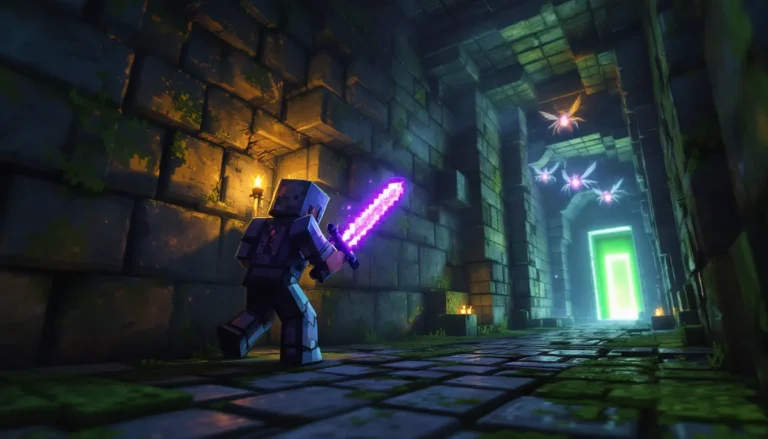
The Twilight Forest mod remains one of Minecraft’s most ambitious and captivating additions, transforming the game into something closer to a full-blown RPG adventure. Since its initial release and through continuous updates, most recently the 4.3.x versions in late 2025 and early 2026, this dimension has offered players a structured progression system, challenging boss fights, and some of the most atmospheric environments you’ll find in any Minecraft mod.
Unlike vanilla Minecraft’s open-ended exploration, Twilight Forest guides players through a deliberate sequence of biomes, bosses, and dungeons. You can’t just brute-force your way through: the mod enforces progression locks that keep you from accessing certain areas until you’ve proven yourself. It’s a refreshing change for players tired of the sandbox’s lack of direction, and it’s exactly why Twilight Forest has maintained a dedicated community for over a decade.
Table of Contents
ToggleKey Takeaways
- Minecraft Twilight Forest mod introduces a structured RPG-like progression system with boss fights, dungeons, and biome gates that guide players through a curated adventure rather than open-ended sandbox exploration.
- The dimension operates in perpetual twilight with distinct biomes including Twilight Swamp, Fire Swamp, Dark Forest, and Snowy Forest, each unlocked after defeating specific bosses like the Naga, Lich, Hydra, and Ur-Ghast.
- Twilight Forest portal construction requires only basic materials (12 plant blocks, 1 diamond, water, and fire source) but becomes accessible early, prioritizing challenge inside the dimension rather than at the entry point.
- Essential survival preparation includes iron gear, a bow with arrows, multiple stacks of food, building blocks, and a crafting table, plus Fire Resistance potions for the Hydra fight which represents a major difficulty spike.
- Unique equipment like Fiery Armor and Phantom Armor provides significant power increases, while trophy items grant passive bonuses that enhance exploration and combat capabilities throughout progression.
- The mod supports Forge and Fabric loaders on Minecraft 1.20.1 and above with strong compatibility alongside other major mods, making Twilight Forest a staple addition to modded survival worlds and curated mod packs.
What Is the Twilight Forest in Minecraft?
Twilight Forest is a dimension mod that adds an entire realm locked in eternal dusk, filled with custom biomes, massive dungeon structures, and a roster of unique bosses. Created by Benimatic and maintained by a team of developers, the mod introduces a progression-based adventure system where players must defeat specific bosses to unlock access to new areas.
The dimension itself operates under perpetual twilight, no day-night cycle, just a constant golden-hour lighting that creates one of the most visually distinctive environments in modded Minecraft. The forest canopy is dense enough that you’ll often find yourself navigating by the glow of fireflies and the occasional clearing.
What sets Twilight Forest apart from other dimension mods is its focus on structured content. Instead of procedurally generating random difficulty spikes, the mod carefully gates content behind boss defeats and achievement unlocks. Defeat the Naga, and you’ll gain access to the Lich Tower. Take down the Lich, and the swamps open up for Hydra hunting. This creates a satisfying gameplay loop that feels more like a curated adventure than the usual Minecraft sandbox.
The mod is available for both Forge and Fabric loaders as of 2026, with active development supporting Minecraft versions 1.20.1 and above. Recent updates have refined boss AI, added new mini-bosses, and expanded the equipment roster with gear that competes with endgame vanilla items.
How to Install the Twilight Forest Mod
System Requirements and Compatibility
Twilight Forest runs on PC (Windows, macOS, Linux) and requires either Forge or Fabric mod loaders. As of early 2026, the most stable releases support Minecraft 1.20.1, though beta versions for 1.20.4 exist on the development Discord.
Minimum specs mirror vanilla Minecraft’s requirements, but expect to allocate at least 4GB of RAM to Java for smooth performance. The dimension is asset-heavy, with custom models for every boss and structure, so budget systems may see frame drops in dense forest areas. If you’re running other large mods alongside Twilight Forest, like Create or Botania, bump that to 6-8GB.
Compatibility is generally solid with most major mod packs. JourneyMap and similar mini-map mods work perfectly, and JEI (Just Enough Items) integrates Twilight Forest recipes without issue. The mod also plays nice with combat overhauls like Epic Fight and progression mods like FTB Quests, making it a staple in curated mod packs.
Step-by-Step Installation Guide
For Forge installations:
- Download and install the appropriate Forge version for your Minecraft build from the official Forge site.
- Launch Minecraft once with the Forge profile to generate necessary folders.
- Grab the latest Twilight Forest .jar file from CurseForge or the mod’s official page.
- Drop the .jar into your
modsfolder (.minecraft/modson Windows,~/Library/Application Support/minecraft/modson macOS). - Launch Minecraft with the Forge profile and verify the mod appears in the mods list.
For Fabric users:
- Install Fabric Loader from fabricmc.net for your target Minecraft version.
- Download Fabric API (required dependency) and Twilight Forest’s Fabric build.
- Place both .jar files in your
modsfolder. - Launch with the Fabric profile and confirm both mods load.
If you’re running a mod pack, Twilight Forest is likely already included. Check your pack’s mod list before manually adding it to avoid version conflicts.
Creating Your Twilight Forest Portal
Materials You’ll Need
The portal construction is deliberately low-tech, accessible to players who’ve barely scratched the surface of vanilla Minecraft. You’ll need:
- 12 blocks of any flower, mushroom, or plant (dandelions, poppies, even tall grass work)
- 1 diamond (yes, just one)
- A bucket of water
- Flint and steel or any fire source
No obsidian, no Nether stars, no complex crafting chains. The mod’s design philosophy puts the challenge inside the dimension, not behind the entry gate.
Portal Construction Process
Find a flat area, preferably near your base, since you’ll be making multiple trips. Dig a 2×2 hole, one block deep. Fill it with water using your bucket.
Surround the water with your 12 plant blocks, forming a square ring. The pattern should look like a grassy frame around a tiny pond. Now for the interesting part: drop the diamond into the water. Don’t place it, literally toss it (default Q key).
Within seconds, lightning strikes the pool (even in clear weather), and the water transforms into a swirling portal surface. The plant blocks remain in place, and the portal sits waiting at ground level.
Step into the portal the same way you’d enter a Nether portal. There’s a brief loading screen, and you’ll spawn in the Twilight Forest at roughly the same coordinates as your Overworld location. The return portal generates automatically on the other side, so you won’t get stranded, though you might wish you had once you’re deep in a Hollow Hill with half a heart left.
One quality-of-life tip: build a small shelter around your portal on both sides. The Twilight Forest can spawn hostile mobs right on top of portal sites, and getting ambushed while loading in is a lousy way to lose your gear.
Exploring the Twilight Forest Biomes
The dimension divides into distinct biomes, each with unique terrain features, structures, and mob spawns. Unlike vanilla biomes, these aren’t just cosmetic, they’re tied directly to progression.
Twilight Forest (the base biome) covers most of the dimension. Dense oak-like trees form a thick canopy, with occasional clearings containing Hollow Hills, dome-shaped structures packed with ore and basic loot. This is your starting zone, home to the Naga and the safest region overall.
Dense Twilight Forest cranks up the tree density to near-impenetrable levels. Navigation becomes genuinely difficult without clearing paths or climbing above the canopy. These areas often hide Druid Circles and Mushroom Groves, minor landmarks with crafting materials.
Twilight Swamp appears after defeating the Naga. The terrain drops to water level, with mangrove-style trees and Labyrinth entrances buried in hillsides. The Labyrinth houses the Minotaur mini-boss and serves as your pathway to the Lich encounter. Swamps are miserable to navigate, bring a boat or water-walking potions.
Fire Swamp unlocks after the Lich falls. Lava pools replace water, and Hydra Lairs dot the landscape. The terrain itself deals passive fire damage if you’re not prepared with Fire Resistance. It’s as hostile as it sounds.
Dark Forest and Dark Forest Center are progression-locked behind the Hydra. Permanent darkness blankets these biomes, with Dark Towers reaching into the sky. These towers contain the Ur-Ghast boss and some of the best loot in the mod. The darkness isn’t just aesthetic, it actively suppresses torches and most light sources below a certain level.
Snowy Forest and Glacier biomes open after the Ur-Ghast. Ice-themed enemies spawn here, and the Aurora Palace serves as the Knight Phantom’s arena. The biome aesthetic shifts dramatically, trading the warm twilight glow for aurora-lit snowfields.
Highlands represent the endgame zone, featuring the Thornlands sub-biome filled with damaging thorn blocks and the Troll Caves. The Final Castle sits in the Highlands center, though as of the 4.3.x builds, the final boss is still under development.
Each biome transition is obvious, you’ll hit invisible barriers or receive chat messages until you’ve met the unlock conditions. It’s railroading, sure, but it prevents new players from wandering into the Aurora Palace with iron gear and getting obliterated.
Twilight Forest Progression System Explained
Understanding Progression Locks
Twilight Forest enforces its structure through Advancements (achievements) that gate access to biomes and bosses. When you enter a locked area without the required achievement, one of two things happens: either you take constant damage from an environmental effect, or the boss becomes invulnerable.
For example, entering the Fire Swamp before killing the Lich triggers the “Burning Atmosphere” effect, taking damage every few seconds that bypasses armor. You technically can rush in with enough healing items, but the mod heavily punishes sequence-breaking.
Boss invulnerability is more absolute. Try to fight the Ur-Ghast without defeating the Hydra, and your attacks simply won’t register. The boss AI still functions, but you’re locked out of dealing damage. This system removes the Dark Souls-style challenge runs where skilled players skip ahead, for better or worse.
Progression unlocks are account-based (tied to the player, not the world), so in multiplayer, each player needs to earn their own achievements. One person can’t unlock the Fire Swamp for the entire server.
Recommended Boss Order
The intended sequence as of version 4.3.x:
- Naga (Twilight Forest biome) → Unlocks Twilight Swamp
- Lich (Twilight Swamp Labyrinth) → Unlocks Fire Swamp
- Minoshroom (optional, found in Labyrinths) → Provides useful loot, no progression unlock
- Hydra (Fire Swamp Lair) → Unlocks Dark Forest
- Ur-Ghast (Dark Tower) → Unlocks Snowy Forest and Glacier
- Knight Phantom (Aurora Palace) → Unlocks Highlands
- Alpha Yeti (Yeti Lair in Snowy Forest) → Optional, but grants cold resistance gear
- Snow Queen (Aurora Palace upper floors) → Unlocks Thornlands within Highlands
Most players follow this order religiously because deviating causes more frustration than it’s worth. But, many of the community guides on progression suggest farming specific mini-bosses out of order for gear upgrades before tackling the next major boss, perfectly viable since mini-bosses don’t enforce hard locks.
Major Bosses and How to Defeat Them
The Naga
The Naga is your intro boss, a giant serpent that spawns in courtyard structures within the base Twilight Forest biome. The arena is surrounded by Nagastone blocks that form natural walls.
Attack patterns: The Naga charges in straight lines, dealing contact damage. It can’t turn quickly, so circling the arena while landing hits is the standard strategy. Occasionally, it performs a tail sweep that hits in a wide arc behind it.
Recommended gear: Iron armor and an iron sword are sufficient. Bring a bow for chip damage, though melee is safer since the Naga’s size makes projectile aim awkward. A shield trivializes most of its attacks.
Drops: Naga Scales (used for crafting Naga Scale Armor) and the Naga Trophy. Equipping the trophy grants a speed boost when worn as a helmet.
The Lich
The Lich lives at the top of Lich Towers in the Twilight Swamp. Reaching him requires navigating a vertical dungeon filled with zombies, skeletons, and trapped chests.
Attack patterns: The Lich is a spellcaster with multiple phases. Phase one involves launching magic missiles, slow-moving projectiles that home in on the player. Phase two summons zombie minions while the Lich becomes invulnerable behind a shield. You must kill the zombies to drop the shield. Phase three sees the Lich teleporting around the arena while casting area-effect spells.
Recommended gear: Full iron with some enchantments (Protection II or better). A bow is mandatory for hitting the Lich during his teleportation phase. Bring healing potions, the fight drags on if you play too cautiously.
Weakness: The Lich’s shield can be broken faster by attacking him directly while it’s up, though you won’t deal HP damage. This shortens phase two significantly.
Drops: Lich Scepters (variants include Lifedrain, Zombie, and Twilight Scepters, usable as weapons/tools) and the Lich Trophy, which prevents certain negative effects.
The Hydra
The Hydra spawns in Fire Swamp Lairs, open-air arenas surrounded by lava and fire jets. This is a serious difficulty spike.
Attack patterns: The Hydra starts with three heads, each capable of breathing fire in a cone. Destroying a head causes two more to grow back, maxing out at nine heads. The arena itself is a hazard, random fire jets erupt from the ground, and lava pools force constant repositioning.
Recommended gear: Full diamond or enchanted iron at minimum. Fire Resistance potions are non-negotiable. Without them, the arena kills you faster than the boss. Bring a strong bow (Power III or higher) and at least two stacks of arrows.
Strategy: Stay at medium range and focus on one head at a time. When heads multiply, don’t panic, just keep targeting them until all nine are gone, then finish the body. The Hydra is stationary, so positioning is entirely in your control.
Drops: Hydra meat (best food in the mod, restores massive hunger) and Fiery Blood, used to craft Fiery Armor, the first truly powerful armor set in Twilight Forest.
The Ur-Ghast
The Ur-Ghast floats at the top of Dark Towers, massive vertical dungeons in the Dark Forest biome. The tower climb is half the challenge, expect Carminite Golems, Tower Goblins, and trapped floors.
Attack patterns: The Ur-Ghast is a flying boss that summons Ghastlings (mini-Ghasts) and fires explosive fireballs. It doesn’t land, so melee isn’t an option unless you build up to it.
Recommended gear: Enchanted diamond armor and a strong bow. Bring scaffolding or blocks to create elevated firing positions. Infinity on your bow helps, but Power IV and Flame are more critical for DPS.
Strategy: The Ur-Ghast’s hitbox is enormous, making it an easy target. The real challenge is managing Ghastlings while dodging fireballs. Clear adds immediately, they swarm fast. When the Ur-Ghast’s health drops below 50%, it spawns Ghast Traps that launch you into the air. Stay near walls to avoid being knocked off the tower.
Drops: Carminite Reactors (used in advanced crafting) and the Ur-Ghast Trophy, which provides high knockback resistance.
The Knight Phantom
The Knight Phantom roams the upper floors of the Aurora Palace. Unlike stationary bosses, this one requires you to climb the palace while fighting through frozen mobs.
Attack patterns: The Knight Phantom throws phantom weapons, swords, axes, pickaxes, that deal heavy damage and inflict debuffs. It teleports frequently and becomes invulnerable for short periods. Every 25% health lost, it summons armor-wearing adds.
Recommended gear: Full enchanted diamond with Blast Protection (the thrown weapons have explosive properties). Shields are critical, most of his attacks can be blocked. Bring slow-falling potions: the palace has lots of open floors where knockback is lethal.
Strategy: This fight tests your ability to manage multiple threats. Focus on adds first, they bodyblock and make landing hits on the boss nearly impossible. Between add waves, rush the Knight Phantom during his vulnerable windows and back off when he goes invuln.
Drops: Phantom Armor and Phantom Swords, high-tier equipment that rivals modded armor sets from other major mods. The Knight Phantom Trophy grants jump boost and slow falling.
Key Structures and Dungeons to Find
Twilight Forest’s structures are half the appeal, massive, hand-crafted dungeons that put vanilla Minecraft’s temples to shame.
Hollow Hills are your first target. These grass-covered domes come in three sizes (small, medium, large) and are filled with spawners guarding ore blocks. Large Hollow Hills contain Obsidian Vaults protected by Redstone locks, basically, a puzzle where you need to mine through obsidian while dodging spawned mobs. The loot is worth it: diamond ore blocks, emerald blocks, and the occasional enchanted book.
Labyrinths sprawl beneath the Twilight Swamp, multi-level dungeons with maze-like corridors. The main inhabitants are Minotaurs, and the Minoshroom mini-boss spawns in treasure rooms. Labyrinths also house Maze Slimes, large slimes that drop Maze Wafers (food) and Maze Map Focus (used to reveal the dungeon layout via crafting). The Lich Tower always generates near or within a Labyrinth structure.
Lich Towers are vertical dungeons with multiple floors of undead mobs. Trapped chests trigger explosive runes, and the layout forces careful navigation. The architecture is iconic, dark stone brick with glowing decorations, and the view from the top is one of the few spots where you can see the Twilight Forest’s full scope.
Hydra Lairs are simple boss arenas, but their Fire Swamp locations make travel a nightmare. Expect to chug Fire Resistance potions just reaching the arena.
Dark Towers dominate the Dark Forest skyline. These multi-floor dungeons are populated by Carminite Golems, teleporting constructs that hit hard, and Tower Goblins that explode on death. The climb to the Ur-Ghast is long and resource-intensive, so bring food, blocks, and patience. Dark Towers also contain Carminite Builders, spawners that auto-repair destroyed blocks, destroy these first or you’ll be fighting an endless renovation loop.
Aurora Palace is a frozen castle split into multiple towers. Each tower must be cleared separately, with the Knight Phantom in the central spire. The architecture is stunning, ice and aurora-colored blocks create a visual spectacle, but the frozen mobs hit harder than their non-icy counterparts.
Troll Caves in the Highlands are less dungeons and more resource nodes. Trolls spawn here, dropping rare materials, but the caves themselves are filled with hostile terrain. Thornlands surround the Final Castle and are actively damaging, every step on thorn blocks deals damage. Bring Feather Falling or just don’t walk on the thorns.
Final Castle sits incomplete in current builds. The exterior is there, but the interior and final boss remain under development as of version 4.3.2037. Players looking for detailed breakdowns of dungeon mechanics will find the community has extensively documented every structure, including chest loot tables and spawn rates.
Essential Loot and Unique Items
Twilight Forest introduces dozens of unique items, but a few stand out as must-haves.
Naga Scale Armor is your first upgrade past iron. It’s not significantly stronger, but the speed boost from the full set helps with exploration and dodging.
Steeleaf Armor and Tools drop from Twilight Forest mobs and can be crafted once you collect enough Steeleaf. The tools are fast and efficient, Steeleaf Pickaxe mines as fast as diamond. Steeleaf Armor offers similar protection to iron but with better durability.
Fiery Armor and Tools are the first true power spike. Crafted from Fiery Blood (Hydra drops) and Fiery Ingots (smelted from Fiery Tears dropped by Fire Swamp mobs), this set provides fire immunity and deals fire damage when attacking. The Fiery Sword is particularly nasty in PvP or mob farming.
Ironwood Armor offers a decent mid-tier option with self-repair properties. It slowly regenerates durability when not in combat, making it excellent for long expeditions.
Phantom Armor is endgame-tier, obtained from the Knight Phantom. It provides Protection IV equivalent defense and grants passive buffs depending on the piece worn. The helmet gives night vision, the chestplate boosts melee damage, the leggings provide speed, and the boots grant jump boost.
Twilight Scepters come in multiple variants. The Lifedrain Scepter pulls health from enemies, the Zombie Scepter summons temporary zombie allies, and the Twilight Scepter fires bursts of magic missiles. Scepters use durability instead of mana, and they’re surprisingly strong against bosses, especially the Zombie Scepter, which turns difficult fights into 2v1s.
Charm of Keeping and Charm of Life are dropped by certain mobs. The Charm of Keeping II prevents one death, keeping your inventory intact and teleporting you to spawn. It’s a lifesaver in hardcore or when deep in a dungeon. The Charm of Life I adds two hearts (four HP) permanently to your health pool when consumed.
Transformation Powder is a utility item dropped by various mobs. Right-click to transform into a different mob type temporarily, useful for bypassing certain mob-detection mechanics or just messing around.
Maze Wafers and Hydra Chops are the best food items. Hydra Chops restore more hunger than a cooked steak and stack to 64.
Carminite Reactors and Carminite Blocks are crafting components for advanced builds. Reactors can be used to create automated systems, though they’re more decorative than functional in most mod packs.
Magic Map Focus crafts into various maps that reveal structure locations. The Maze Map shows Labyrinth layouts, and the Ore Map highlights nearby ore deposits. These are optional but extremely helpful for completionists.
If you’re running Twilight Forest in a pack with other major mods, the unique enchantments and equipment hold their own. Fiery Armor competes with Mekanism’s mid-tier suits, and Phantom Armor isn’t far behind modded endgame sets. For players searching mod synergy discussions, Twilight Forest integrates cleanly with most tech and magic mods without overshadowing or being overshadowed.
Survival Tips for New Twilight Forest Explorers
Preparation Before Entering
Don’t enter Twilight Forest empty-handed. Bring at least one stack of food, a full set of iron armor, and an iron sword minimum. A bow with 64+ arrows is non-negotiable, several bosses are ranged-only or heavily favor ranged combat.
Pack building blocks (dirt or cobblestone, at least two stacks). You’ll need them for bridging gaps, blocking mob spawners, and creating safe zones in dungeons.
Bring a Crafting Table, Furnace, and basic tools (axe, shovel). You’ll be spending extended time in the dimension, and being able to craft on-site saves portal trips.
Set your spawn point near your Overworld portal with a bed. Dying in Twilight Forest respawns you in the Overworld, and running back to your portal from a random spawn can take forever.
Torches, bring several stacks. Twilight Forest’s canopy blocks most natural light, and some biomes actively suppress light sources. Place them liberally in dungeons to prevent respawns.
Consider bringing Ender Pearls or a Recall Potion (if your mod pack includes them). Getting stranded deep in a dungeon with low health and no escape route is a common death scenario.
Combat and Exploration Strategies
The Twilight Forest doesn’t pull punches. Mobs spawn frequently and in groups, especially near structures.
Hollow Hills first: These are your safest early loot source. Clear the spawners immediately upon entry, don’t try to fight while mining. Block off spawners with cobblestone or dirt, then mine the ore blocks at your leisure.
Always scout before engaging bosses. Walk around the arena perimeter, note hazards (lava, pits, fire jets), and plan escape routes. Most boss arenas are designed with environmental threats as part of the challenge.
Use the terrain. Dense forests are frustrating for navigation but excellent for breaking line-of-sight against ranged mobs. If you’re getting swarmed, retreat into thick tree clusters and fight in melee where you control engagement distance.
Boss trophies aren’t just cosmetic. Equip them for their passive effects. The Naga Trophy’s speed boost is useful throughout the entire mod progression, not just early game.
Don’t hoard potions. Fire Resistance for the Hydra isn’t optional, it’s required. Same with Regeneration or Healing potions for the Knight Phantom. Budget for potion materials before entering new biomes.
Mark your path. The Twilight Forest is disorienting. Torches, colored wool, or even dirt pillars help you retrace steps. Many structures are kilometers apart, and getting lost burns time and resources.
Multiplayer advantage: Boss fights are significantly easier with a second player. One person can kite while the other deals damage, trivializing encounters like the Ur-Ghast. But, loot doesn’t duplicate, so agree on drop distribution beforehand to avoid arguments.
Death recovery is harsh. The distance between your portal and a deep dungeon can be massive. Consider setting up forward bases, small shelters with beds, chests, and crafting stations, near major structures. Losing your gear to a despawn timer because you couldn’t navigate back in five minutes is painfully common.
Conclusion
Twilight Forest remains a masterclass in structured mod design, blending exploration, progression, and boss fights into a cohesive adventure. The 2026 updates have refined combat balance and added quality-of-life improvements, but the core loop, portal in, fight bosses, unlock new zones, stays satisfyingly intact.
For players burned out on vanilla Minecraft’s lack of direction or tired of tech mods’ endless grinding, Twilight Forest offers a focused alternative. The progression system removes decision paralysis while still allowing flexibility in how you approach each boss. And for veteran modded players, it integrates cleanly into larger packs without demanding overhauls to your existing setup.
Whether you’re soloing the Naga in iron gear or coordinating a server-wide raid on the Aurora Palace, Twilight Forest delivers the kind of memorable encounters that vanilla Minecraft simply can’t match. Grab your diamond, dig that portal, and see how deep the forest goes.